Alternating alcoholic drinks with water or other non-alcoholic beverages can also help maintain hydration levels. Thirst, another hallmark symptom of dehydration, is directly linked to fluid and electrolyte imbalance. As the body loses water and electrolytes, the concentration of solutes in the blood increases, triggering osmoreceptors in the hypothalamus. These receptors signal the brain to initiate thirst, prompting the individual to drink water. However, if alcohol consumption continues without adequate fluid intake, the cycle of dehydration and electrolyte disruption persists, making it difficult to restore balance.
Dehydration From Alcohol: 5 Tips to Prevent and Treat It
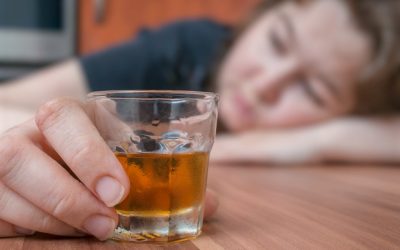
Most people can drink while on acyclovir, but alcohol can worsen side effects and slow recovery, so lighter choices (or a short pause) usually feel better. Drinking water while you’re still drunk isn’t going to prevent you from becoming dehydrated, but it may help lessen the degree to which you’re dehydrated. Very high doses of caffeine, greater than 10 milligrams per kilogram daily, are linked to serious health conditions. If a person weighs 165 pounds (about 75 kilograms), a very high dose is about 750 milligrams of caffeine in https://ecosoberhouse.com/ a day. Chest pain, irregular heartbeat and stroke have been reported when people take this much caffeine. Caffeine poisoning can happen with 1,200 milligrams of pure caffeine, according to the FDA.
Preventing Dehydration from Alcohol
- Having the right balance of fluid in your system is essential for your body to carry out basic functions.
- We provide a comprehensive alcohol addiction recovery program including detox, counseling, group therapy, and aftercare planning.
- Alcohol flush is a temporary reaction that usually disappears within a few hours after you stop drinking.
- Understanding how alcohol affects hydration is crucial, especially for those who drink regularly, as chronic dehydration can have long-term health implications.
Added sugar creates extra acid, which makes it harder for your body to store water. Salty foods, like chips and other snacks, are also risky when it comes to staying hydrated. Although it’s unknown whether alcohol dehydrates muscle, it still has an effect. If you drink, pairing alcohol with water isn’t a cute wellness trick.
Why do I feel weird for several days after drinking?
Learn more about how alcohol affects your body with Reframe’s Blood Alcohol Content (BAC) calculator. The question of whether all alcohol dehydrates is a common concern, especially among those who enjoy alcoholic beverages. Alcohol, particularly ethanol, is known to have diuretic effects, meaning it can increase urine production and potentially lead to dehydration if consumed in excess. However, the extent of dehydration depends on various factors, including the type of alcohol, the amount consumed, and individual differences in metabolism. While it’s true that alcohol can contribute to fluid loss, moderate consumption paired with adequate water intake can mitigate these effects.
Alcohol can lead to electrolyte imbalances due to increased urine output. Electrolytes, such as sodium and potassium, are essential for maintaining proper hydration levels and optimal bodily function. To mitigate these effects, it’s crucial to adopt a proactive skincare routine. After consuming alcohol, apply a hyaluronic acid-based moisturizer to replenish lost hydration.
Alcohol and Dehydration
By understanding the mechanisms at play and implementing targeted skincare practices, individuals can minimize damage and maintain healthier, more resilient skin. For optimal results, limit alcohol intake to Substance abuse 1 drink per day for women and 2 for men, and prioritize hydration both internally and externally. Drinking water before, during, and after alcohol consumption can help prevent dehydration. Water can help replace lost fluids, maintain electrolyte balance, and aid kidney function. Drinking beer, a glass of wine, or other types of alcohol introduces a substance into the body that causes certain reactions. Therefore, alcohol induced dehydration can occur when drinking alcohol without having a glass of water–or more, depending on how much alcohol you’re drinking.
- As ADH production recovers, the body regains its ability to conserve fluids and limit dehydration.
- But you still have just as many salts floating in this reduced volume of water.
- The key distinction is that the dehydrating impact of lower alcohol beverages is milder due to their diluted alcohol concentration.
Signs and Symptoms of Kidney Disease
This suppression occurs due to the interaction between alcohol and brain receptors responsible for ADH synthesis. She holds a medical degree from the University of Wisconsin-Madison and a Master in Public Health from Boston University. Dial 999 for an ambulance if you suspect alcohol poisoning and you’re worried. Don’t try to make the person vomit because they could choke on it. To prevent choking, turn them on to their side and put a cushion under their head. With each alcohol withdrawal episode, the brain and nervous system becomes more sensitised and the resulting side effects become more pronounced.
This equates to drinking five or more drinks within 2 hours for males and four or more drinks within 2 hours for females. According to the CDC, drinking alcohol in moderation is safe for most people. A moderate amount equates to one glass of alcohol or less per day for females and two glasses of alcohol or less per day for males.
Track Your Intake
However, water might build up in other areas as our body tries to hold onto the fluids it has. On the other hand, the dehydration of alcohol is actually a chemical reaction where alcohol is heated along with a strong acid to produce alkenes. The alcohol loses does alcohol dehydrate you two hydrogen atoms and one oxygen atom per each atom, because the water content is leaving the alcohol – thereby dehydrating it. Chronic heavy drinking can result in high blood pressure, which is a leading cause of kidney disease. It can also weaken immunity, increasing a person’s risk of infections. These risks change depending on how much alcohol a person consumes and how often.
- Alcohol impairs the body’s ability to absorb water, further promoting dehydration.
- Alcohol acts like a diuretic for many people, so you pee more and dry out faster.
- But even today we still don’t fully understand how alcohol causes this excessive urination.
Maintain Optimal Hydration with DripDrop and Save 25%
Alcohol-induced dehydration lowers blood pressure, making it harder for the brain to receive adequate oxygen and nutrients. This can result in lightheadedness, unsteadiness, or a spinning sensation. Dizziness is often accompanied by fatigue and difficulty concentrating, as the brain struggles to function optimally under dehydrated conditions. In addition, cocktails with sugary mixers or caffeinated alcoholic beverages can amplify fluid loss and worsen alcohol-related dehydration. Exercise causes fluid loss, and combining it with alcohol increases the risk of dehydration, which is detrimental to muscle tissue and can slow down recovery.
Leave a Reply